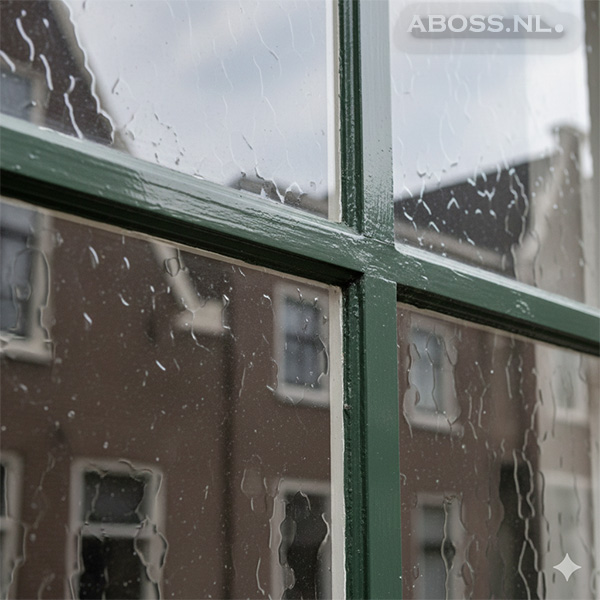
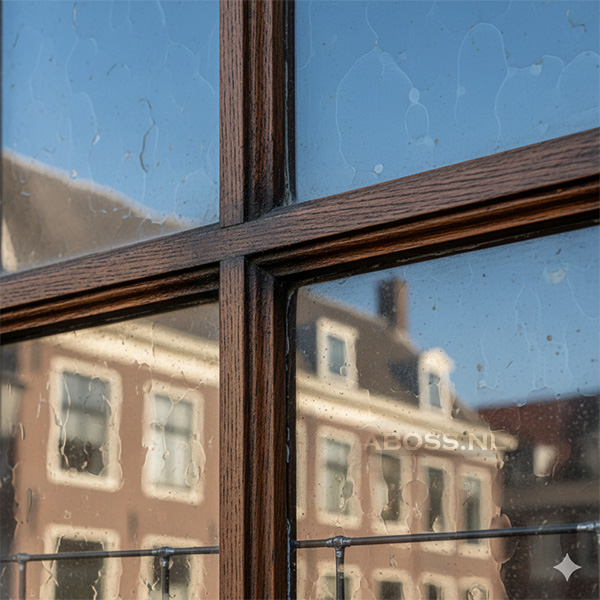
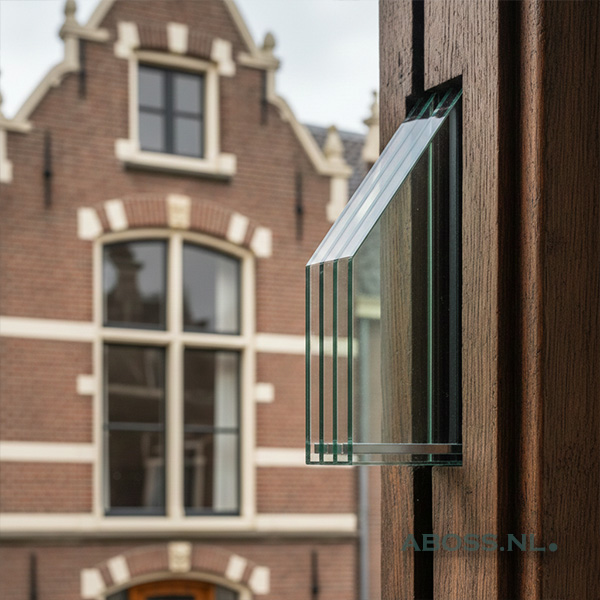
"Replacing glass with HR++ glass"

"Replacing Your Existing Glass?"

"Replacing Your Existing Monumental Glass with Double Glazing?

"Monumentaal dubbel glas" refers to a specific type of double glazing used in monumental or heritage buildings. These buildings are often subject to regulations that preserve their historical and architectural integrity, making renovations or upgrades challenging. The key challenge lies in improving energy efficiency and comfort without compromising the building's original appearance and character. This is where "monumentaal dubbel glas" comes into play, offering a solution that aligns with both conservation and modern performance standards.

Historical Context and Modern Needs

Monumental buildings, with their rich history and architectural significance, are invaluable cultural assets. However, many of these structures were built in times when energy efficiency was not a consideration. Consequently, they often suffer from poor insulation, leading to higher energy consumption, discomfort for occupants, and potential damage from moisture and mold. The push towards sustainability and the need for energy efficiency in buildings has led to the development of specialized solutions like "monumentaal dubbel glas" that cater to the unique needs of these historical structures.

The Evolution of "Monumentaal Dubbel Glas"

Traditional double glazing consists of two panes of glass separated by a spacer and sealed to create an insulating air gap. However, standard double-glazed units can be visually and physically incompatible with historic windows due to their thickness and reflective properties. "Monumentaal dubbel glas" is a refined version of this technology, designed to mimic the appearance of single glazing while providing the thermal and acoustic benefits of modern double-glazed units. This innovation involves the use of slimmer glass panes, narrower spacers, and specialized coatings that reduce the visual impact on the window's historic appearance.

Technical Specifications and Benefits

The technical advancements in "monumentaal dubbel glas" include the development of ultra-thin glass panes, sometimes as thin as 3mm, and the use of non-reflective coatings that minimize glare and reflection. These features ensure that the upgraded windows closely resemble their original single-glazed counterparts, preserving the aesthetic integrity of the building. From a performance perspective, "monumentaal dubbel glas" significantly improves thermal insulation, reducing heat loss by up to 70% compared to single glazing. This leads to lower energy bills, improved comfort for occupants, and a reduction in the carbon footprint of the building. Additionally, it offers enhanced sound insulation, a crucial benefit in urban settings or areas with high noise levels.

Challenges and Considerations

The implementation of "monumentaal dubbel glas" in heritage buildings is not without challenges. The primary concern is ensuring that the installation process and the final outcome do not alter the building's character-defining elements. This requires careful planning, precision in the manufacturing of the glazing units, and skilled installation. Regulatory approvals are another significant aspect, as any modification to a listed building typically requires consent from heritage conservation authorities. These challenges underscore the importance of collaboration between architects, conservation specialists, and manufacturers to achieve a balance between preservation and performance.

Case Studies and Best Practices

Numerous successful implementations across Europe demonstrate the feasibility and benefits of "monumentaal dubbel glas" in heritage conservation. For example, in Amsterdam, several canal houses have been retrofitted with this technology, resulting in substantial energy savings and improved comfort without compromising their historic facades. Best practices from these projects include conducting thorough historical research, engaging with conservation authorities early in the planning process, and utilizing custom solutions tailored to the specific needs of each building.

Conclusion

"Monumentaal dubbel glas" represents a significant advancement in the field of heritage conservation and energy efficiency. By offering a solution that marries the aesthetic requirements of historic buildings with the need for modern performance standards, it plays a crucial role in ensuring the sustainable preservation of our architectural heritage. As the technology evolves and more case studies demonstrate its effectiveness, "monumentaal dubbel glas" is set to become an increasingly important tool in the conservation architect's toolkit, balancing the past's legacy with the future's demands.

Prev post Next post

Leave a reply