


Floor structure
An existing attic floor may not be designed for residential use, furniture, partition walls and additional installations.
The space under your roof is often one of the most underestimated areas of the house. With a smart layout, sufficient daylight, proper ventilation and a checked floor structure, an attic can become a full bedroom, home office or guest room.
Aboss Bouwadvies supports attic conversions with design, architectural drawings, structural calculations, daylight and ventilation checks and permit-oriented guidance. The result is not just a sketch, but a technical file that fits the building, the municipality and the execution process.
An existing attic floor may not be designed for residential use, furniture, partition walls and additional installations.
A healthy bedroom requires daylight, fresh-air supply, ventilation options and practical comfort under the roof.
A roof window, dormer, roof extension or structural alteration may require additional drawings or permit documents.
An attic conversion is often a smart way to create extra living space without extending the building footprint. Still, it is important to look beyond interior finishing. A bedroom under the roof must be practical, safe and comfortable.
Important factors include usable headroom, walking routes, daylight, ventilation, insulation, sound, fire safety, stair access and whether the floor structure is suitable for the intended use.
Aboss translates your idea into a buildable technical plan. We check the architectural and structural conditions before you invest in construction.
An attic used as a bedroom must do more than look finished. The space must be functional, safe and healthy to use. In practice, we review several architectural and structural aspects.
The roof shape determines where the room is truly usable. Walking routes, bed position, storage and stair zone must be designed logically.
Roof windows or a dormer may be needed to make the room function as a comfortable habitable space.
A bedroom requires proper air supply and exhaust, especially with insulated roof planes and compact attic rooms.
Floor joists must be suitable for residential loads, partition walls, furniture and possible extra installations.
Access must be safe and practical. A new fixed stair or stair opening often requires structural verification.
Escape route, smoke detectors, door positions and use of the upper floor may be relevant for a safe home layout.
Depending on the existing situation and your plan, Aboss can provide a single technical component or a complete package.
Clear drawings of the existing and proposed situation for design, permit, contractor coordination or project preparation.
Assessment of the existing floor, roof structure, openings, dormer, roof window or new stair opening.
Technical check whether the intended bedroom can receive sufficient daylight and ventilation. This can affect the roof window, dormer, layout and usable floor area.
Support for permit-sensitive elements such as a dormer, roof extension, external alteration, structural change or modification of the existing roof plane.
Not every attic conversion automatically requires a building permit. However, when the roof plane, structural system, external appearance or fire-safety logic changes, formal review or technical substantiation may be required.
Dormers on the front roof slope, roof extensions, changes to structural members, new stair openings or visible changes from the public area should be checked before work starts.
We work in a structured way so that design, comfort, structural logic and any permit requirements are considered together from the start.
We review the existing attic, available drawings, roof shape, floor joists, stair access and desired layout.
We assess headroom, daylight, ventilation, floor structure, fire safety and possible permit requirements.
We prepare the proposed layout with floor plans, sections and relevant architectural details.
Where needed, we check or calculate joists, stair opening, roof opening, dormer, roof structure or reinforcements.
If required, we prepare the documents for contractor coordination, municipal review or a building permit application.
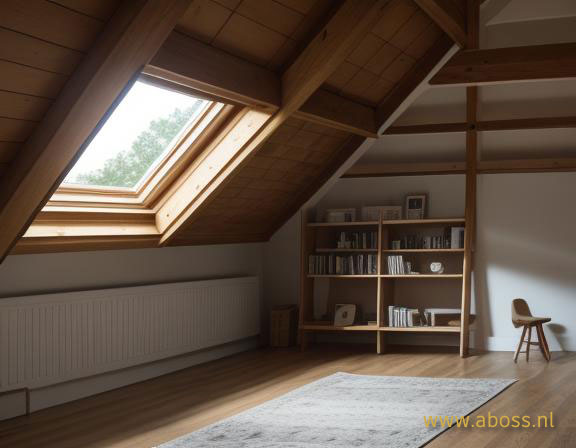
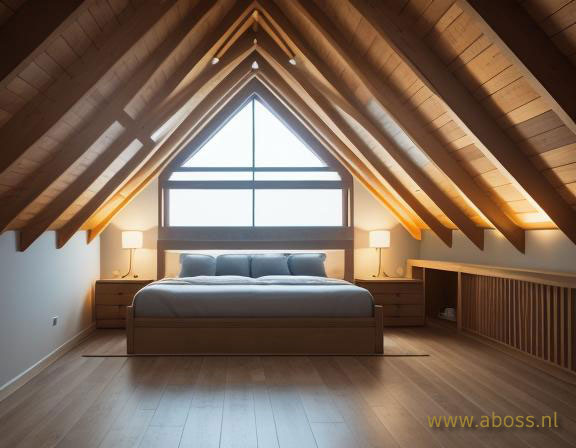
The images below are indicative. The right solution depends on roof shape, structure, daylight, ventilation, access and the desired layout.
Not always directly. Important factors include headroom, daylight, ventilation, access, floor structure, fire safety and whether a roof window, dormer or roof extension is needed.
That depends on the work. Internal finishing may sometimes be possible without a permit, but a dormer, roof extension, external alteration, structural change or work in a protected area may require a permit.
For bedroom use, structural verification is recommended. Not every attic floor is designed for regular residential use, partition walls, furniture and extra installations.
For a usable habitable room, daylight and ventilation are important. The exact solution depends on the room use, internal layout, roof windows, dormer and existing situation.
Yes. We can prepare architectural drawings, structural calculations and permit documents for a dormer, roof window, roof extension or other roof alteration.