


Complete technical package
One coordinated scope: soil data, foundation calculations, structural drawings and technical substantiation.
Planning a small rear extension and need a safe, municipality-ready foundation design? Aboss delivers a complete technical package including soil investigation coordination, foundation calculations, a pile plan where required, and the structural drawings needed for construction and permit submission.
This is particularly relevant for narrow urban plots, tight property boundaries and extensions that must tie into an existing house without causing settlement issues, structural conflicts or unnecessary permit delays.
Amsterdam & region • Den-Haag • Rotterdam • Groningen • Deventer
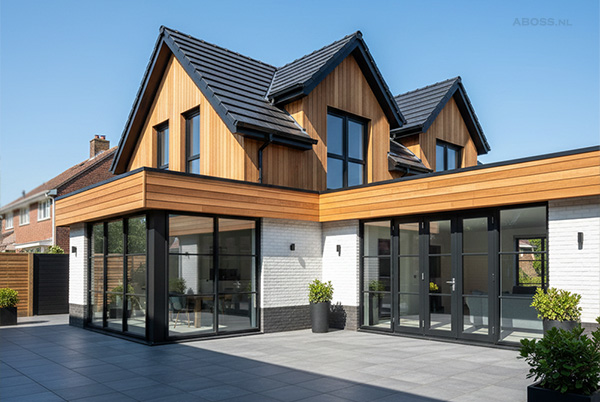
Typical scope: soil data, foundation concept, structural calculations, execution details and permit-ready substantiation.
One coordinated scope: soil data, foundation calculations, structural drawings and technical substantiation.
Optimised for limited width, tight boundaries and sensitive interfaces with existing urban buildings.
Practical documentation that reduces follow-up questions from contractors and municipality reviewers.
We review your extension concept, approximate dimensions, photos and any existing drawings. Previous reports, foundation information or architectural plans are especially useful.
If needed, we coordinate the soil investigation and define the appropriate scope. The results are then interpreted in the context of your building, your extension loads and the surrounding site conditions.
Based on ground parameters and structural loads, we develop a feasible foundation concept and substantiate it with calculations for safety, stability and serviceability.
Where piles are required, we prepare the pile plan and detailing so the contractor can execute reliably and the municipality can assess the proposal logically.
You receive a clear package in PDF and, where agreed, DWG. This can be used both for contractor execution and municipality submission.
A small rear extension may look modest, but foundation design is often the most sensitive technical element. In Dutch urban soils, seemingly small differences in ground conditions can lead to settlement, cracking or differential movement if the wrong foundation strategy is chosen.
Especially in Amsterdam and similar urban conditions, correct interpretation of soil data can prevent costly redesign or execution problems later.
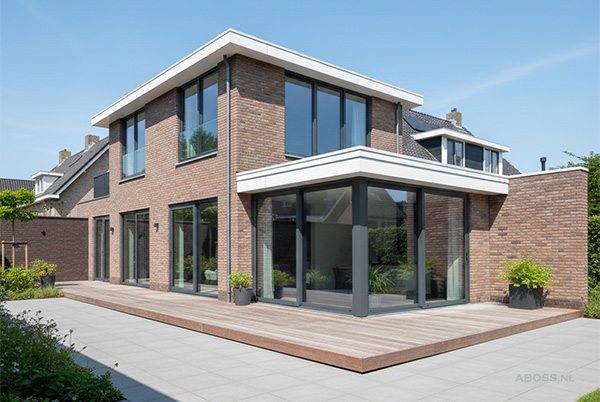
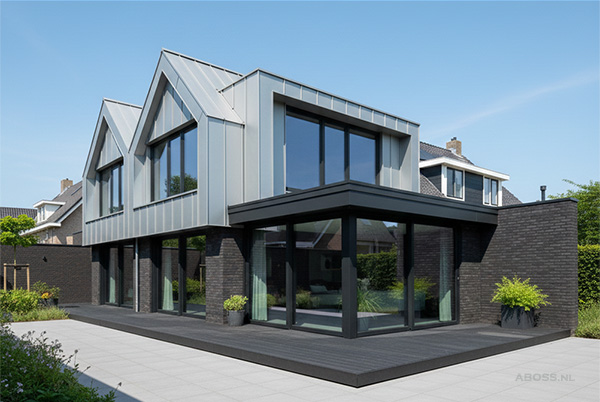
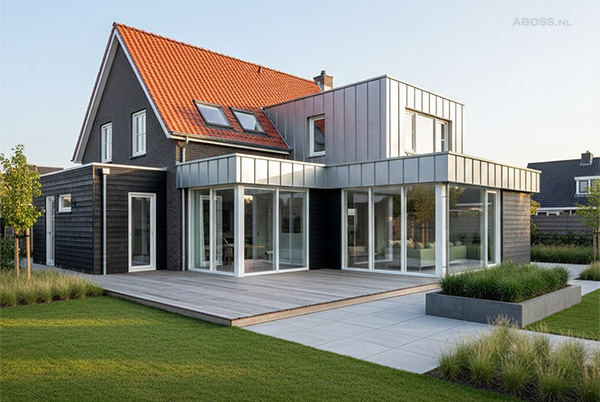
Example situations include tight rear gardens, constrained access, close neighbouring foundations, and extensions that require careful connection to existing walls, beams or floor levels.
A pile plan defines pile positions and load distribution logic for the extension foundation. It is typically needed when the soil profile requires deep foundations, when loads are significant, or when settlement risk needs to be controlled carefully.
Yes. If the extension includes steel beams, wall openings, roof structure or specific framing, we can integrate the full structural scope into one coordinated package.
We primarily work in Amsterdam and the surrounding region, but we also support projects in other municipalities. The package can be aligned to the local review context.
Please send a short description, address, approximate extension dimensions, photos and any existing drawings or reports. That allows us to indicate quickly what is required and prepare a clear quote.
Send your address, a short project description, approximate extension dimensions, photos and any available drawings. We can then indicate quickly whether soil investigation, pile plan, calculations and drawings are needed, and prepare a clear quote.