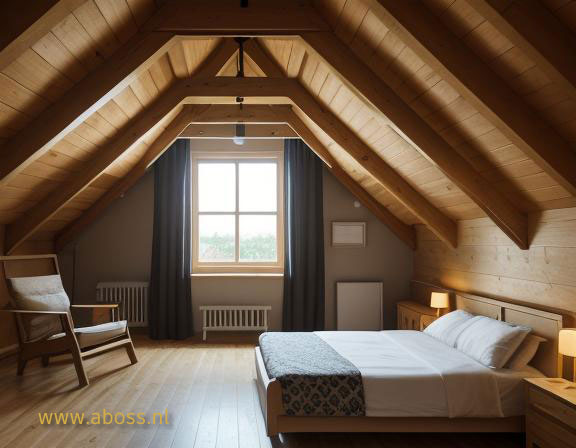
Why attic floor calculations are essential
In many houses, the attic floor was originally designed for light storage loads.
As soon as the space is converted into a bedroom, home office or other habitable room, the structural assumptions change significantly.
- the expected floor loading increases because of people, furniture and finishes
- the required safety margins change with the new use
- the risk of deflection, vibration and structural damage becomes more relevant
- the works often need to be structurally substantiated for the contractor and sometimes the municipality
Without a calculation, the risk increases of construction errors, unnecessary reinforcement costs, delays during the conversion,
or disputes later with supervision, insurers or buyers.
Permit and municipality: what is common?
Whether a permit is required depends on the nature of the intervention: for example a dormer, roof extension,
staircase opening, alteration of the load-bearing structure, monument status or fire-safety implications.
Even when there is no formal permit requirement, structurally substantiating the attic floor is often sensible and practically necessary.
If required, Aboss can also help with a complete permit set including drawings, calculations
and technical substantiation aligned with municipal review.