


Permit-ready architectural drawings
Plans, sections and elevations aligned with the submission practice for Amsterdam.
- Existing/proposed + clear legend
- Critical sections (load path / stability)
- Facade presentation compatible with design review
A roof extension in Amsterdam is never just an architectural wish; it is a legal and structural dossier that must withstand strict design-review standards and technical assessment. Aboss is your “Last Stop Before the Municipality”. We remove uncertainty and deliver a dossier that is municipality-ready.
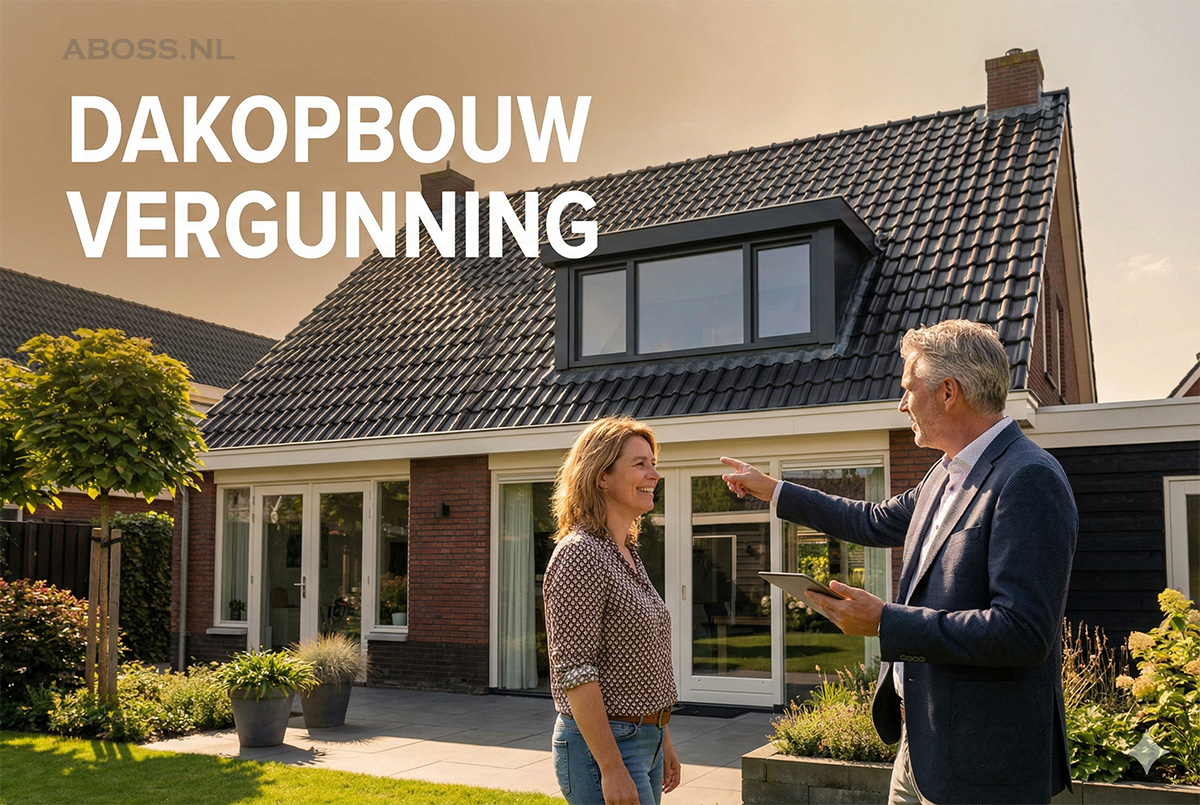
You receive a technically and legally consistent package designed to pass municipal review and to minimize follow-up requests.
Plans, sections and elevations aligned with the submission practice for Amsterdam.
Full reporting aligned with NEN-EN 1990 through 1999 for the existing structure, foundation and the new extension.
Evidence on safety and health, including daylight/ventilation calculations and—where applicable—fire safety analysis.
Under the Omgevingswet, a roof extension in Amsterdam is virtually always permit-required. Assessment is driven by two core components:
Note: building without a final permit can lead to enforcement and stop-work orders in Amsterdam. Prevention is typically far less costly than retroactive legalization.
Amsterdam applies specific guidelines for the roofscape. Whether in De Pijp, Oud-West or Zuidas, the design review committee assesses the impact on streetscape and surrounding buildings, and often also neighbour effects such as views, shadow and daylight access. Aboss integrates these local requirements into the engineering upfront to avoid delays and redesign loops.
The examples below illustrate the typical intervention scale and the level of detail required to substantiate structure, design review and Bbl checks.
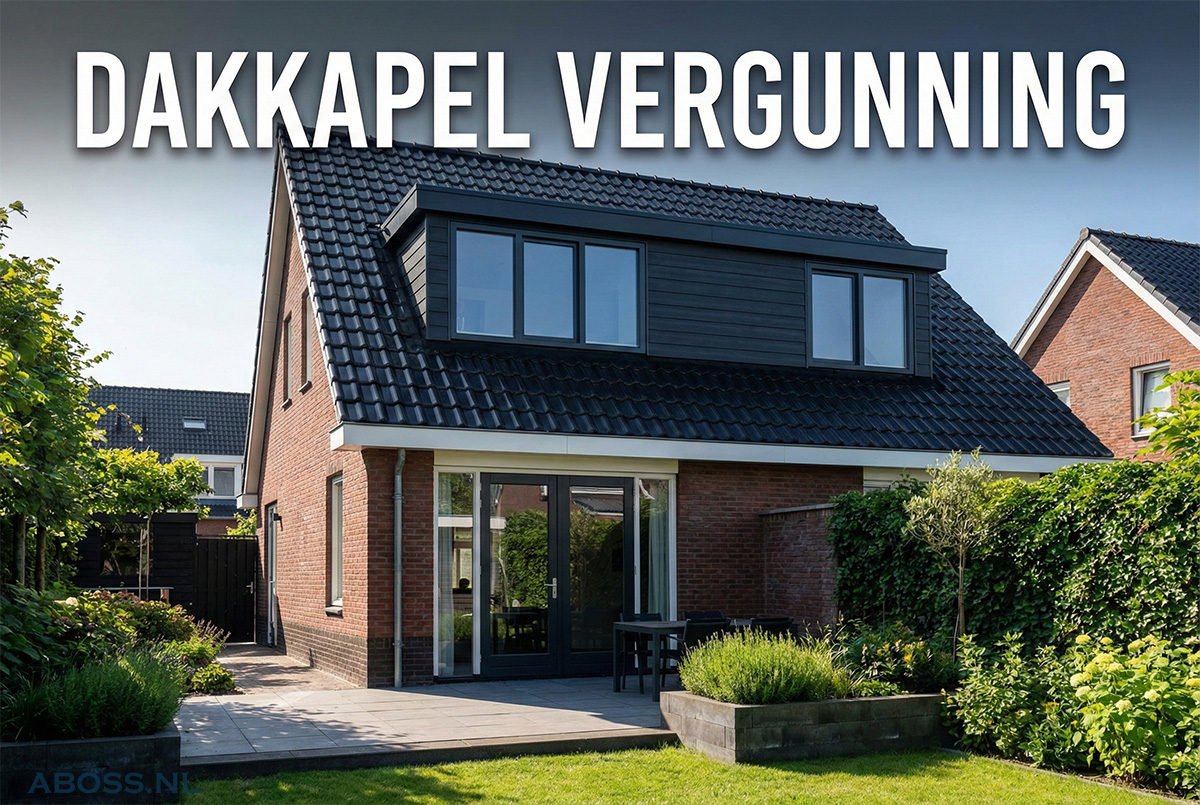

Retroactive technical substantiation for a roof extension built without a permit, aimed at restoring legal continuity.
Additional living area on historic masonry with limited residual capacity—load transfer, stability and deformation criteria are decisive.
Example case: roof extension legalization in an urban context (Zuidas).
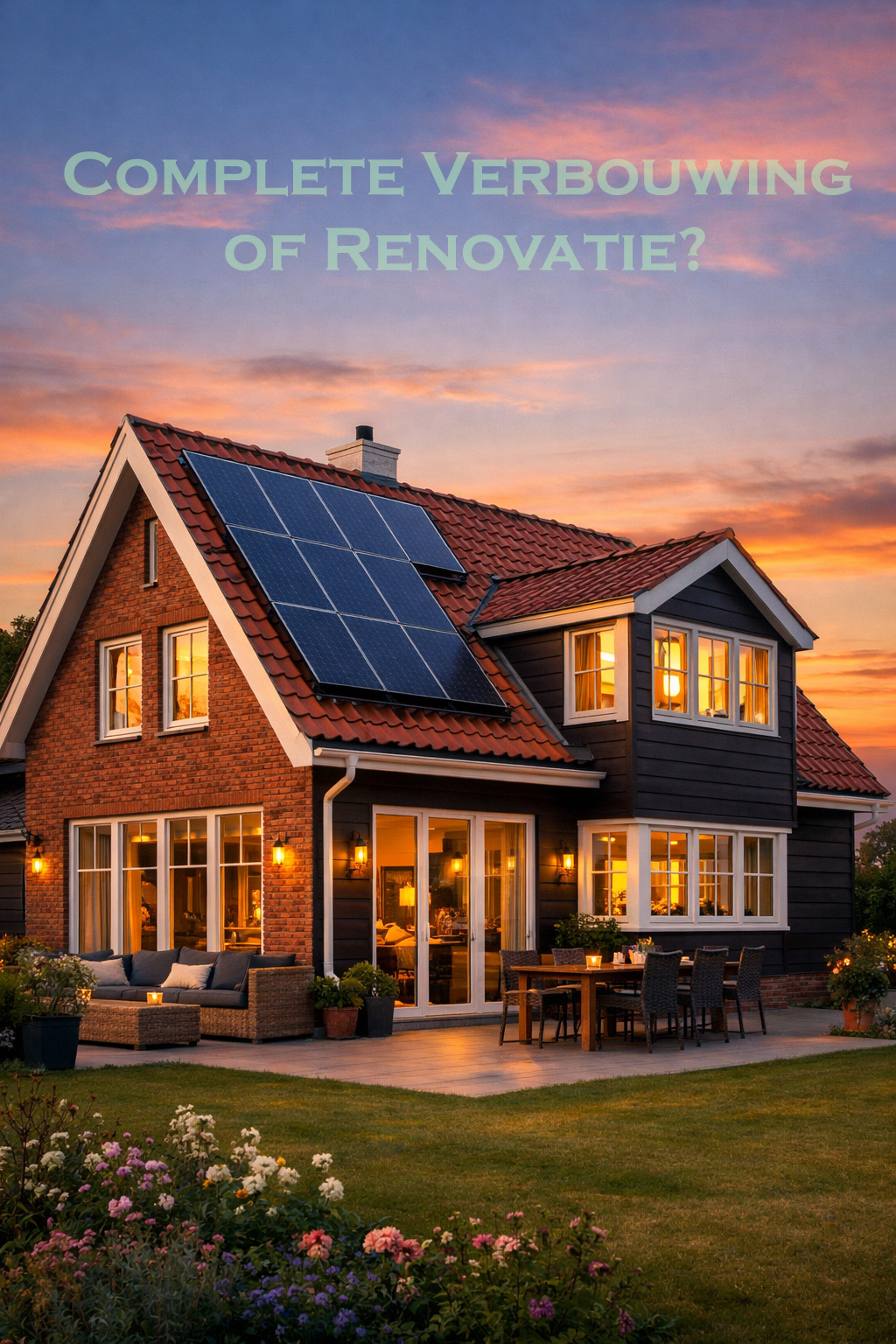
In practice, no. Due to impact on structure and cityscape, an environmental permit is typically required in Amsterdam.
The existing foundation must be able to carry the additional loads. We assess this via archive review and calculations; additional investigation may be advised.
The standard procedure is legally 8 weeks, with a possible 6-week extension. Incomplete dossiers almost always cause delays.
We analyse the rejection grounds and rebuild the dossier technically so it can be resubmitted as consistent and assessable.
Yes. In addition to the municipal permit, private-law approval from the owners’ association is commonly required.
It depends on complexity, but it is typically a fraction of the delay and remediation costs caused by a stop-work order or rejection.
Do not let your project fail on municipal procedure. We make your dossier municipality-ready with clear assumptions, assessable calculations and consistent drawings.